





Nachrichten
Stay up to date on Carbon Leadership Forum research, publications, and partnerships, plus stories from across the movement to reduce embodied carbon.
News and announcements from the Carbon Leadership Forum; features on companies and organizations changing the world; essays and case studies; rigorous research and policy models; interviews, invitations, and events.
2026 – 2029 Strategic Plan
Can you imagine a future where green construction is the status quo? In many ways, it won’t look much different than today. Low embodied carbon buildings will still have walls, windows, and roofs. Their structures will still withstand the elements. They’ll still be comfortable for us to occupy. And they’ll be resilient and durable enough to last for generations.
2025 Annual Impact Report
Can you imagine a future where green construction is the status quo? In many ways, it won’t look much different than today. Low embodied carbon buildings will still have walls, windows, and roofs. Their structures will still withstand the elements. They’ll still be comfortable for us to occupy. And they’ll be resilient and durable enough to last for generations.
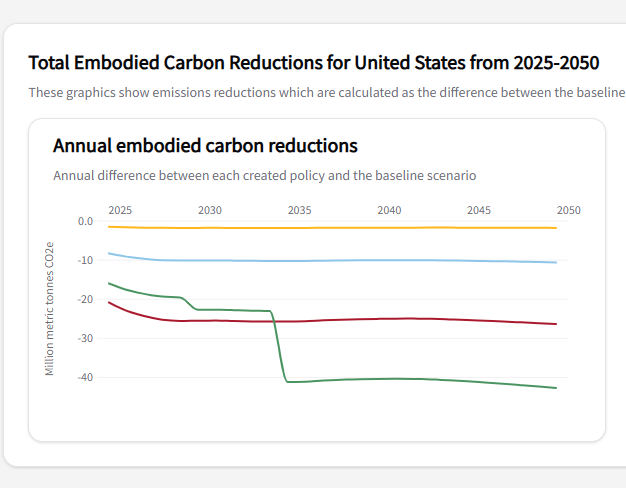
Verkörperter Rechner zur Reduzierung der CO2-Politik
The Policy Reduction Calculator is a web-based tool developed by the Carbon Leadership Forum to provide policymakers with data-driven insights on low embodied carbon policies in North America.
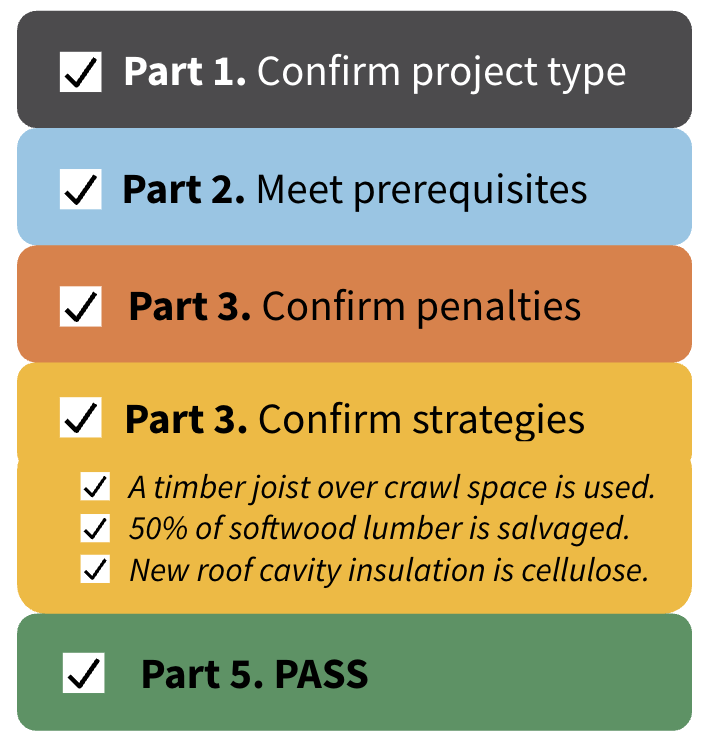
DEQ Low Embodied Carbon Housing Program: Reporting Form v1.2
This reporting form is an excel based form for use by potential applicants to Oregon DEQ’s low embodied carbon housing program in showing compliance with Pathways 1, 2 and 3.
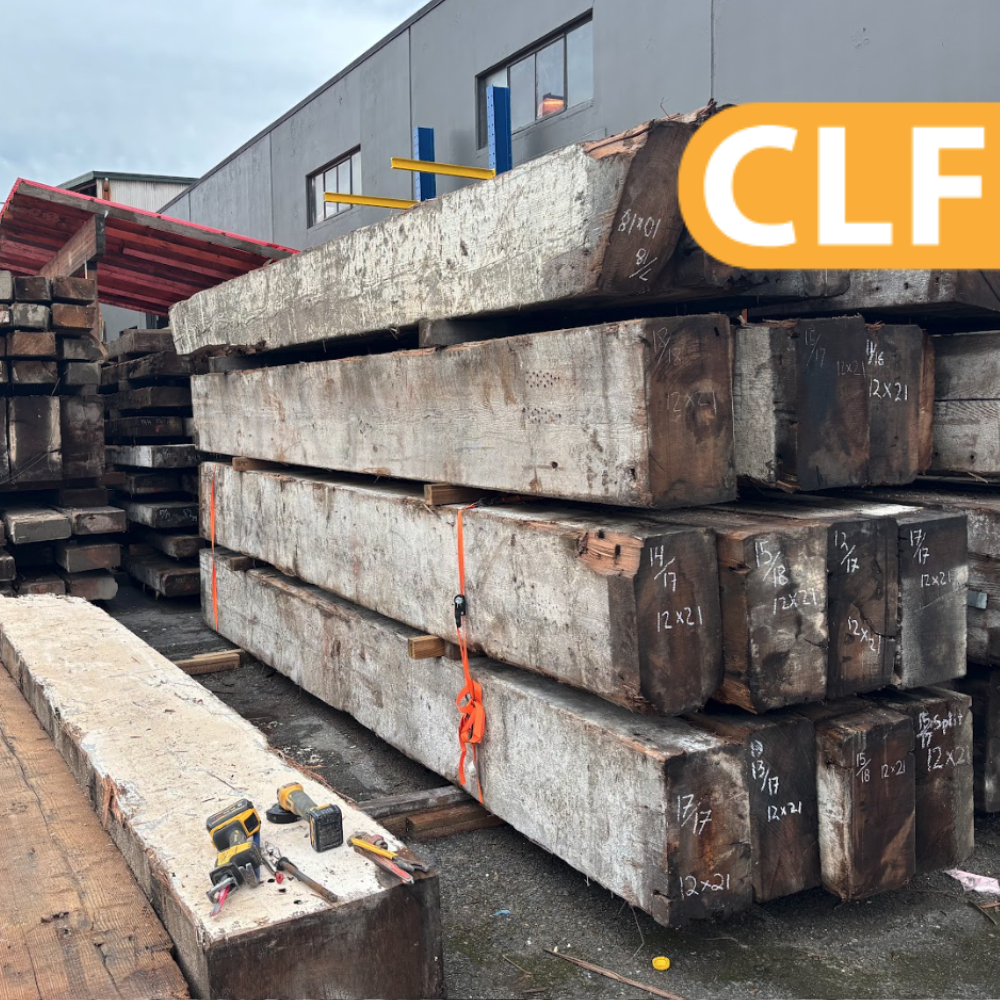
Reclaimed and Reused: Recommended LCA Modeling Guidance to Support EPDs for Reused Construction Materials
Material reuse is one strategy for reducing the embodied carbon of construction. While the preparation of previously used materials for reuse has an environmental impact, it avoids many of the resource extraction and manufacturing impacts of building with newly manufactured products. Given the amount of demolition and deconstruction across North America (and beyond), there is a vast potential for material reuse to expand in scale. However, barriers to material reuse scaling exist.
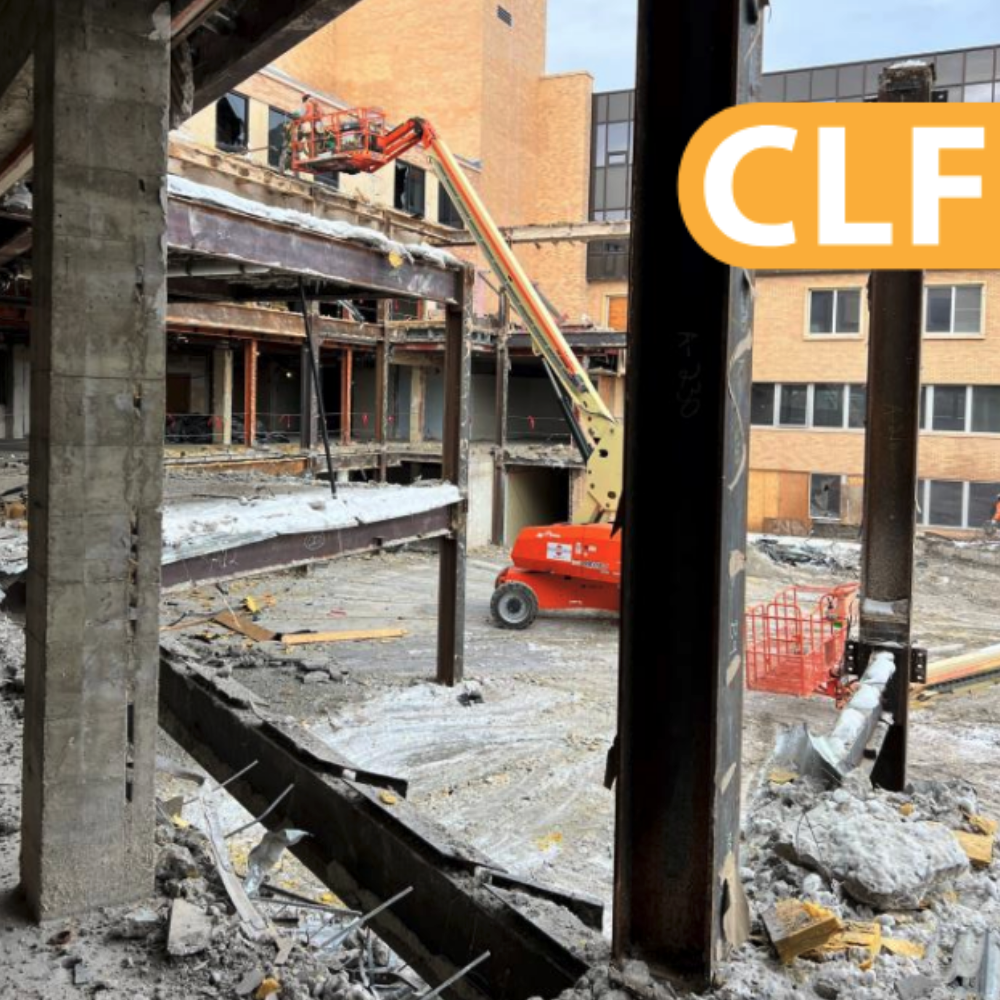
Material Spotlights: Existing and Emerging Strategies to Decarbonize Construction Materials
This resource provides project teams with an overview of emerging processes and materials that offer viable alternatives to conventional construction products, with a focus on solutions that are commercially available but currently under-adopted. 15 spotlights provide real-world examples of implementation.
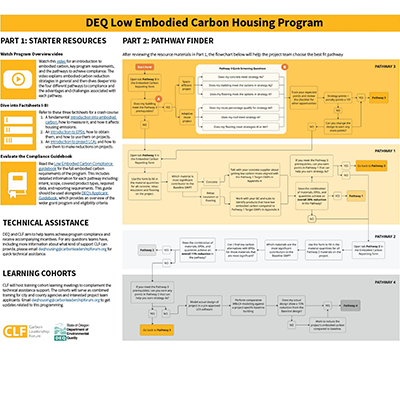
DEQ Low Embodied Carbon Housing Program: Roadmap to Success
Embodied Carbon Pathways to 2050 for the United States, a collaboration between the Carbon Leadership Forum (CLF), RMI, and the University of Washington (UW) Life Cycle Lab, provides an assessment of embodied carbon from US construction materials and explores pathways to align with a 1.5°C global warming limit.

The CLF Benchmark Explorer
Emissions from the operations of buildings and infrastructure are significant, well-understood contributors to national and global greenhouse gas emissions. However, the contribution of embodied carbon—emissions associated with the manufacturing, transportation, installation, maintenance, and disposal of construction materials across the life cycle of a building or asset—is neglected by comparison. Even at the global level, embodied carbon estimates are typically based on manufacturing emissions from the production of a handful of the highest-impact materials (e.g. concrete, steel, aluminum, and wood).

Embodied Carbon Pathways to 2050 for the United States
Embodied Carbon Pathways to 2050 for the United States, a collaboration between the Carbon Leadership Forum (CLF), RMI, and the University of Washington (UW) Life Cycle Lab, provides an assessment of embodied carbon from US construction materials and explores pathways to align with a 1.5°C global warming limit.

Washington State Carbon Emissions Estimation: 2025 – 2050
Emissions from the operations of buildings and infrastructure are significant, well-understood contributors to national and global greenhouse gas emissions. However, the contribution of embodied carbon—emissions associated with the manufacturing, transportation, installation, maintenance, and disposal of construction materials across the life cycle of a building or asset—is neglected by comparison. Even at the global level, embodied carbon estimates are typically based on manufacturing emissions from the production of a handful of the highest-impact materials (e.g. concrete, steel, aluminum, and wood).
2026 – 2029 Strategic Plan
Can you imagine a future where green construction is the status quo? In many ways, it won’t look much different than today. Low embodied carbon buildings will still have walls, windows, and roofs. Their structures will still withstand the elements. They’ll still be comfortable for us to occupy. And they’ll be resilient and durable enough to last for generations.
2025 Annual Impact Report
Can you imagine a future where green construction is the status quo? In many ways, it won’t look much different than today. Low embodied carbon buildings will still have walls, windows, and roofs. Their structures will still withstand the elements. They’ll still be comfortable for us to occupy. And they’ll be resilient and durable enough to last for generations.
Verkörperter Rechner zur Reduzierung der CO2-Politik
The Policy Reduction Calculator is a web-based tool developed by the Carbon Leadership Forum to provide policymakers with data-driven insights on low embodied carbon policies in North America.
DEQ Low Embodied Carbon Housing Program: Reporting Form v1.2
This reporting form is an excel based form for use by potential applicants to Oregon DEQ’s low embodied carbon housing program in showing compliance with Pathways 1, 2 and 3.
Reclaimed and Reused: Recommended LCA Modeling Guidance to Support EPDs for Reused Construction Materials
Material reuse is one strategy for reducing the embodied carbon of construction. While the preparation of previously used materials for reuse has an environmental impact, it avoids many of the resource extraction and manufacturing impacts of building with newly manufactured products. Given the amount of demolition and deconstruction across North America (and beyond), there is a vast potential for material reuse to expand in scale. However, barriers to material reuse scaling exist.
Material Spotlights: Existing and Emerging Strategies to Decarbonize Construction Materials
This resource provides project teams with an overview of emerging processes and materials that offer viable alternatives to conventional construction products, with a focus on solutions that are commercially available but currently under-adopted. 15 spotlights provide real-world examples of implementation.
DEQ Low Embodied Carbon Housing Program: Roadmap to Success
Embodied Carbon Pathways to 2050 for the United States, a collaboration between the Carbon Leadership Forum (CLF), RMI, and the University of Washington (UW) Life Cycle Lab, provides an assessment of embodied carbon from US construction materials and explores pathways to align with a 1.5°C global warming limit.
The CLF Benchmark Explorer
Emissions from the operations of buildings and infrastructure are significant, well-understood contributors to national and global greenhouse gas emissions. However, the contribution of embodied carbon—emissions associated with the manufacturing, transportation, installation, maintenance, and disposal of construction materials across the life cycle of a building or asset—is neglected by comparison. Even at the global level, embodied carbon estimates are typically based on manufacturing emissions from the production of a handful of the highest-impact materials (e.g. concrete, steel, aluminum, and wood).
Embodied Carbon Pathways to 2050 for the United States
Embodied Carbon Pathways to 2050 for the United States, a collaboration between the Carbon Leadership Forum (CLF), RMI, and the University of Washington (UW) Life Cycle Lab, provides an assessment of embodied carbon from US construction materials and explores pathways to align with a 1.5°C global warming limit.
Washington State Carbon Emissions Estimation: 2025 – 2050
Emissions from the operations of buildings and infrastructure are significant, well-understood contributors to national and global greenhouse gas emissions. However, the contribution of embodied carbon—emissions associated with the manufacturing, transportation, installation, maintenance, and disposal of construction materials across the life cycle of a building or asset—is neglected by comparison. Even at the global level, embodied carbon estimates are typically based on manufacturing emissions from the production of a handful of the highest-impact materials (e.g. concrete, steel, aluminum, and wood).