





by Ben Christensen, Co-Founder and CEO of Cambium
45 million metric tons of urban tree waste are generated annually. If fully utilized rather than landfilled, this could reduce Global Warming Potential nationwide by up to 251.8 Mt CO₂ eq./year (megatonnes).
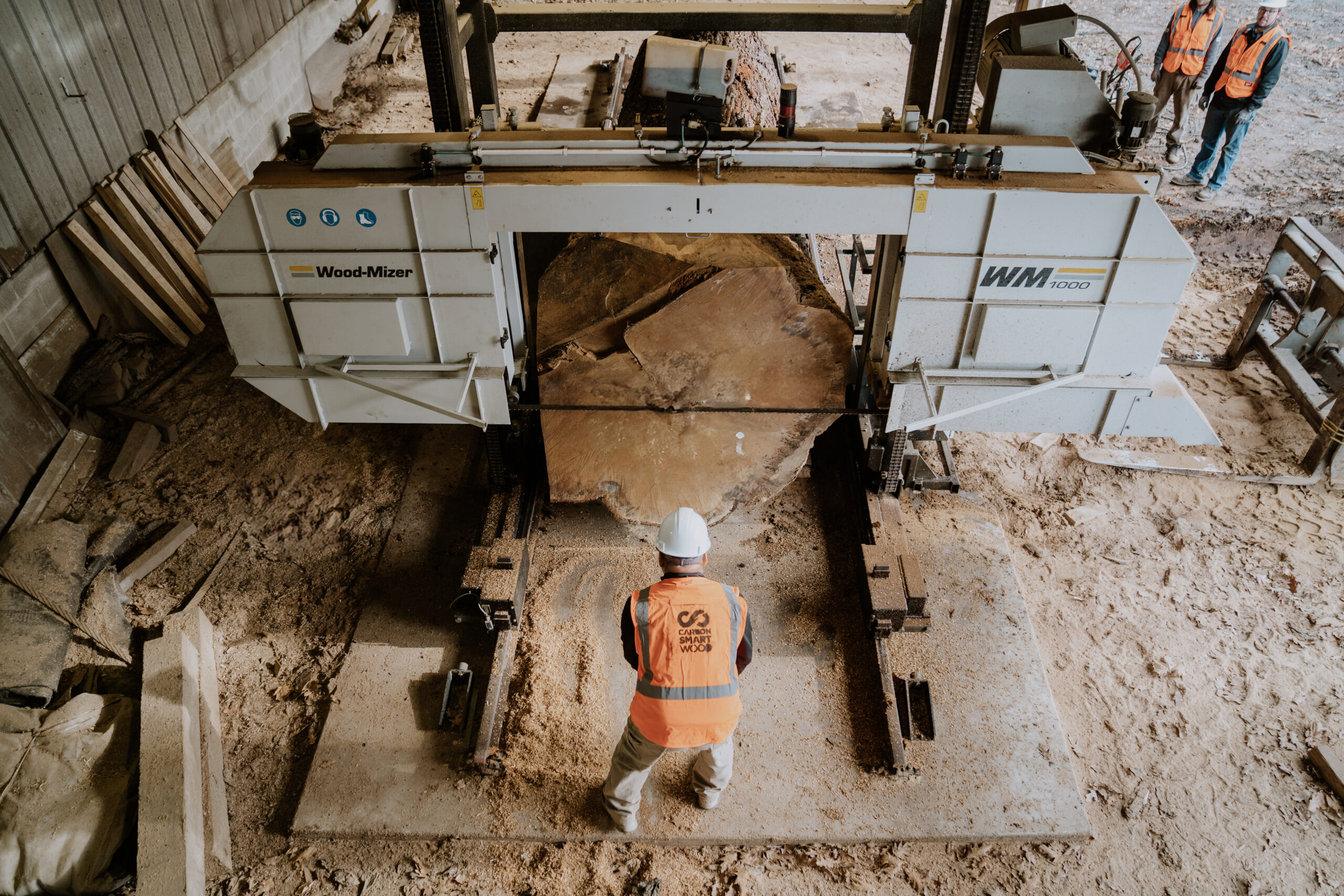
When Cambium was founded, we set out to make a significant impact in the fight against embodied carbon. For many companies, even those in the digital space, an inevitable carbon footprint is tied to their products or services. Cambium’s mission, however, is to store carbon and reduce emissions by creating products that divert wood from the waste stream while locking away carbon for the entire lifespan of those materials.
Growing up in New Mexico, I spent a lot of time around trees. People often think of New Mexico as a vast desert, but in reality, it’s a state rich in forests. In 2019, while at the grocery store, I noticed a bundle of firewood for sale. Curious, I started digging into its origin and was shocked to discover that the wood had been shipped from Estonia. I could not believe that a bundle of firewood was transported thousands of miles to New Mexico. Surely, there had to be a better way that could reuse the material we were wasting in our own backyards.
If waste wood was being chipped or burned with no other purpose, why couldn’t it be salvaged and reused? I began reimagining the wood supply chain, focusing on utilizing wood waste instead of cutting down new trees. That’s how Carbon Smart Wood™ was born.
The statistics are staggering: 45 million metric tons of urban tree waste are generated annually. If fully utilized rather than landfilled, this could reduce Global Warming Potential nationwide by up to 251.8 Mt CO₂ eq./year (megatonnes). This amount of material has the potential to significantly lower embodied carbon emissions—if only the necessary infrastructure and supply chain were in place to support it.
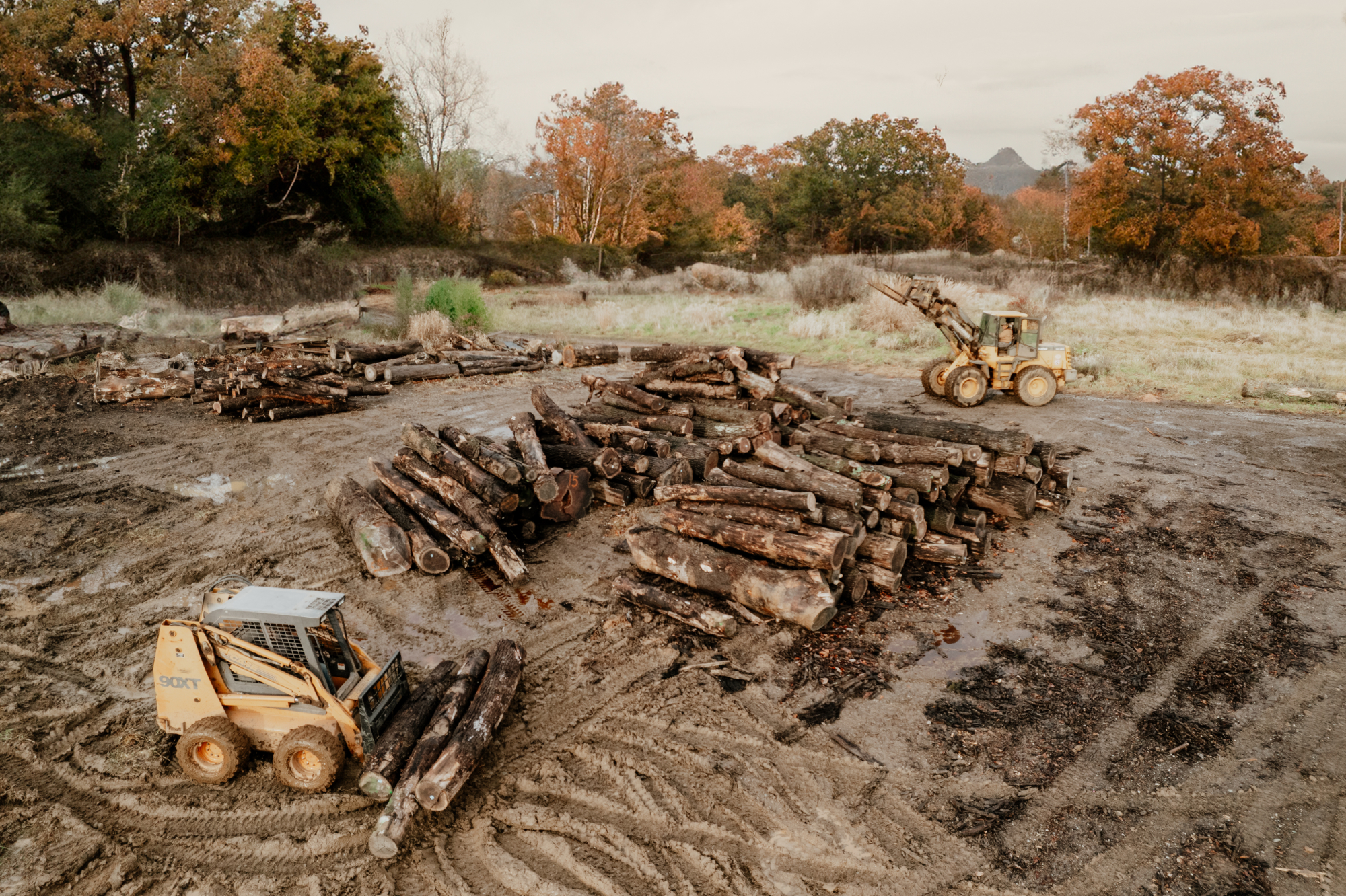
Traditionally, tree services and fire mitigation teams had no way to process or utilize their materials. For example, when a real estate developer clears land, the tree services often burn or chip the wood. Excavation teams then remove the debris, leaving no trace of the trees. But now there’s Mill Market™, a platform that transforms what was once waste wood into Carbon Smart Wood™ and compensates tree services for their contributions.
Here’s how it works: tree services create an account, upload details about their pickup, and we connect them with trucking services and mills. These logs are processed locally, turning what was once discarded into high-quality wood products. This system shortens the supply chain from an international ordeal to a hyper-local process, drastically reducing carbon emissions. The trees we salvage now travel tens of miles, not thousands, for processing. And once the wood enters the built environment, it stores carbon for decades, if not centuries.
Managing this process manually would have been overwhelming, which is why we developed Traece™, our chain of custody platform. Traece ensures radical transparency, documenting every step of the process to provide tangible data for everyone involved. From where the wood originated to how far it traveled, Traece™ makes the supply chain fully visible, allowing clients to make informed decisions about the impact of their materials.
As we look ahead to 2025, Cambium is focused on scaling our impact through mass timber. While we began by introducing Carbon Smart Wood™ into homes, smaller commercial projects, and furniture, mass timber presents a game-changing opportunity. Projects in this space often require millions of board feet, creating a chance to offset carbon at a scale we’ve never achieved before.
The journey hasn’t been easy. From navigating city approvals to overcoming logistical hurdles – building a circular wood economy has required effort, dedication, and a willingness to innovate. But the results speak for themselves. With Carbon Smart Wood™, we’re proving that waste wood can be transformed into a resource that’s not only sustainable but also essential to combating embodied carbon.
As we prepare to launch more mass timber projects in the coming year, I’m optimistic about the future. Together with our partners and clients, Cambium is setting a new standard for sustainable materials and proving that the right choice for the planet can also be the right choice for business.

Ben Christensen Co-Founder and CEO of Cambium

Cambium’s mission is to store carbon and reduce emissions by creating products that divert wood from the waste stream while locking away carbon for the entire lifespan of those materials.