



Regional Hub Member Spotlights
This month, we’re excited to spotlight some of our incredible regional hub members in our Member Impact stories.
Typically, we ask our contributing members to share how they and their organizations are working to reduce embodied carbon emissions. However, for this edition of the newsletter, we want to hear from our Regional Hub members!
If you’re interested in learning more about the regional hubs, connecting with your local hubs, or understanding how to leverage this incredible network, check out the Regionale Hubs.
What are some of the most significant impacts your Regional Hub has made in reducing embodied carbon?
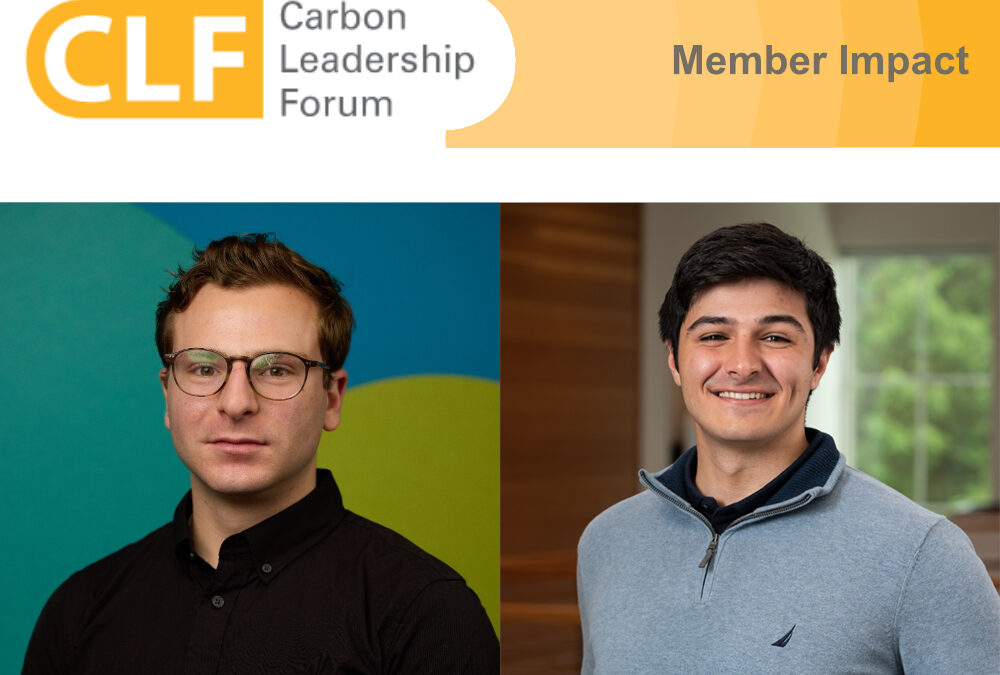
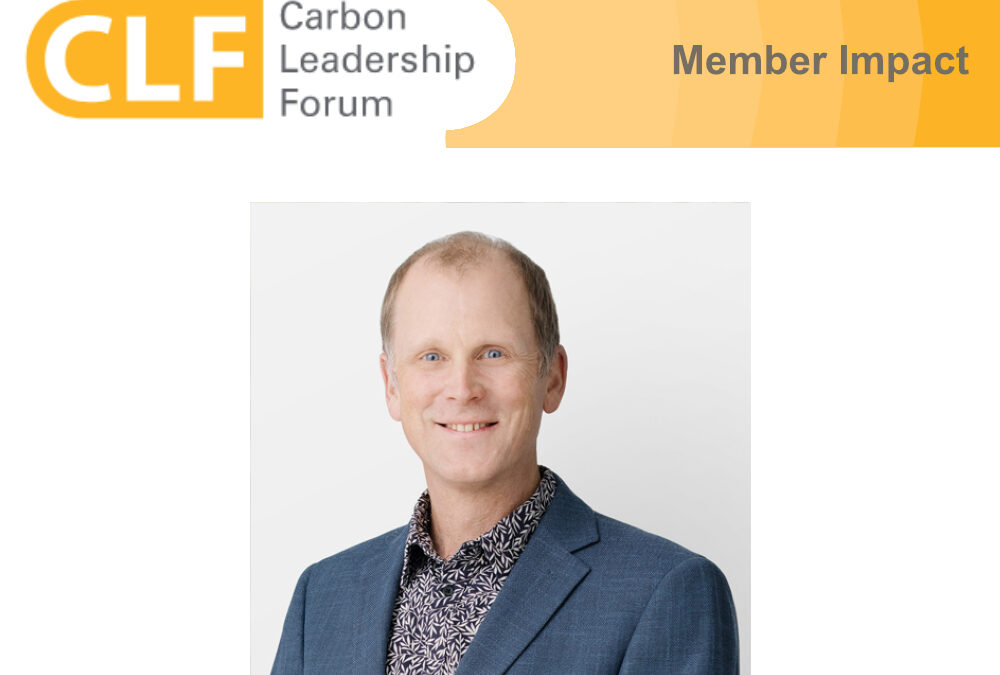
Michael Mousa
Sustainability Consultant, Dialog | CLF Toronto Regional Hub Co-Lead
You know that buzz of excitement and inspiration you get after hearing someone speak about something you’re passionate about? Well, I’m happy to say I get that feeling every time the CLF Toronto Hub hosts an event.
For an industry that is progressing rapidly, our hub’s ability to be a consistent source of knowledge sharing and creating connections amongst peers is so important. We’ve been so fortunate to have a line-up of all-stars in their fields teaching our community about advancements in embodied carbon reductions. This year alone, we’ve hosted events around topics like the City of Toronto’s embodied carbon policy, tools for addressing embodied emissions of building envelopes and in public space design, and applying deep green retrofits to prolong the usable life of building structures.
We also strive to be a source of inspiration to local organizations by recognizing innovation through our Embodied Carbon Awards program. In 2023, we hosted our first event awards and sold out our event with over 100 attendees. Currently running the program this year, we received double the amount of award submissions and hope to continue to grow the awards to inspire further action in reducing emissions in our industry.
What makes addressing embodied carbon emissions in the built environment a unique challenge is that it requires an all-hands approach. It’s research, design, manufacturing, construction, policy, economics, supply chain, and much more. And a unique challenge needs a multi-faceted approach, which is why connecting with other organizations has been such an important opportunity for our hub. Our own steering committee, which is made up of a diverse group of dedicated professionals, is a testament to this.
One personal highlight of our partnerships this year was joining forces with TAS, a certified B Corp developer and property manager in Toronto, to provide a tour of their urban regeneration project. Working with Ouroboros Deconstruction, TAS is reusing 62% of demolition waste into the landscape design of the site, and our community got to see this first hand.
We’ve also partnered with the Mass Timber Institute in Toronto to showcase innovative approaches to material use in structural design, and discuss the importance of sustainable forestry management practices.
As a sustainability consultant in the design and engineering field, my clients and project teams trust that I’m bringing a perspective that represents innovation in addressing embodied emissions, that is also grounded in approaches that are feasible and implementable. By leading the CLF Toronto Hub, I really get that opportunity to learn from a number of diverse outlooks, and bring that back into my own work. I have notebooks filled with ideas and strategies that were sparked through CLF Toronto programming.
But what influences me the most is the passion we see from our members – we’ve rarely ended a webinar or event on time because of the discussions that are sparked by our community, and we’re totally fine with that.

“We strive to be a source of inspiration to local organizations by recognizing innovation through our Embodied Carbon Awards program. In 2023, we hosted our first event awards and sold out our event with over 100 attendees.”
How have partnerships with other organizations or stakeholders enhanced your Hub’s work and impact?
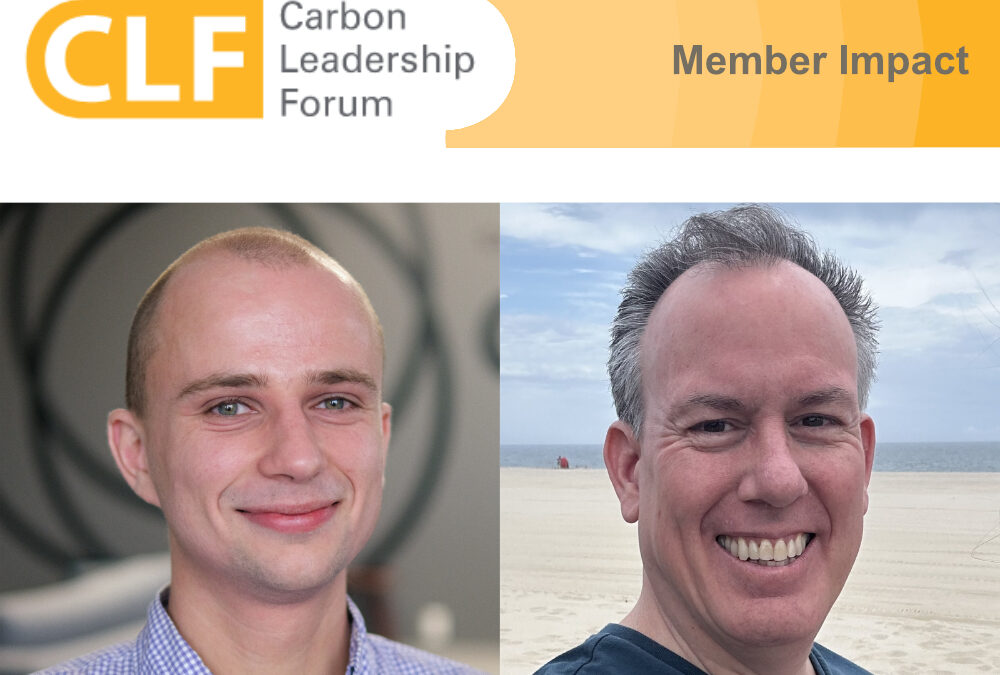
Ben Austin
Sustainability Manager, Findorff | CLF Wisconsin Regional Hub Co-Lead
I am a proud co-founder and co-lead of the CLF Wisconsin Hub. My journey began when I joined a call with sustainability professionals across Wisconsin that was convened by an incredible local Girl Scout troop advocating for action on embodied carbon in the building industry. This call inspired me to get more involved, and in collaboration with their troop leader, Julia Pooler, we established the Wisconsin Hub in the fall of 2022. If you haven’t seen the Girl Scout videos, I highly recommend checking them out on YouTube:
- Concrete Climate Ideas Girl Scouts Talk Building Materials and Embodied Carbon
- Girl Scout Musikvideo mit kohlenstoffarmem Beton
From the outset, our approach to partnerships focused on leveraging the work already being done by CLF hubs worldwide. Why reinvent the wheel in Wisconsin when we could utilize the common resources being shared within the existing CLF community? Early on, this approach helped us be lean from a resource standpoint while also engaging and building our network within Wisconsin of those interested in the topics around Embodied Carbon. We quickly realized that the content of these initial presentations matched a number of the challenges that our Wisconsin stakeholders were facing. From the tools we use to quantify embodied carbon to the opportunities for reducing emissions in our projects, these topics are often directly transferable across geographies, so we have continued to leverage these resources where it makes sense.
While these existing resources helped us get our hub off the ground, we did acknowledge that we would need to also focus on the topics that are local and unique to Wisconsin. Policy, codes, and suppliers of certain materials like concrete each take on a different life in each city and state across the country. This is where partnerships across our state became vitally important. In Wisconsin, our team has engaged with a variety of local organizations that shared our vision for driving sustainability into our built environment but were looking for subject matter experts on embodied carbon. These partnerships included events with the US Green Building Council, the Wisconsin Sustainable Business Council, AIA Wisconsin, the University of Wisconsin-Madison, and the Forest Products Laboratory. These collaborations allowed us to get the word out to a larger number of people and stress the importance of considering embodied carbon alongside operational carbon in sustainability discussions.
In my work as the Sustainability Manager for a commercial general contractor, I think about collaborations and partnerships often. The role of a general contractor or construction manager is not necessarily to know every detail about every topic. Instead, understanding the overall process and the interconnectedness of each piece of a project requires the GC to leverage collaborations and partnerships to get the job done. This is where I think our hub has used a similar mindset.
Collaboration is the cornerstone of our efforts, allowing us to pool resources, share insights, and develop innovative solutions to address the complex climate challenge we are living through.

“Partnerships included events with the US Green Building Council, the Wisconsin Sustainable Business Council, AIA Wisconsin, the University of Wisconsin-Madison, and the Forest Products Laboratory. These collaborations allowed us to get the word out to a larger number of people and stress the importance of considering embodied carbon alongside operational carbon in sustainability discussions.”