





Features
Meet the Movement to Decarbonize Construction
Stories from across the Carbon Leadership Forum network of individuals, companies and organizations changing the world through innovative materials, rigorous analysis, case studies, research and policy advocacy, interviews and events, and collective initiatives to target collective impact.
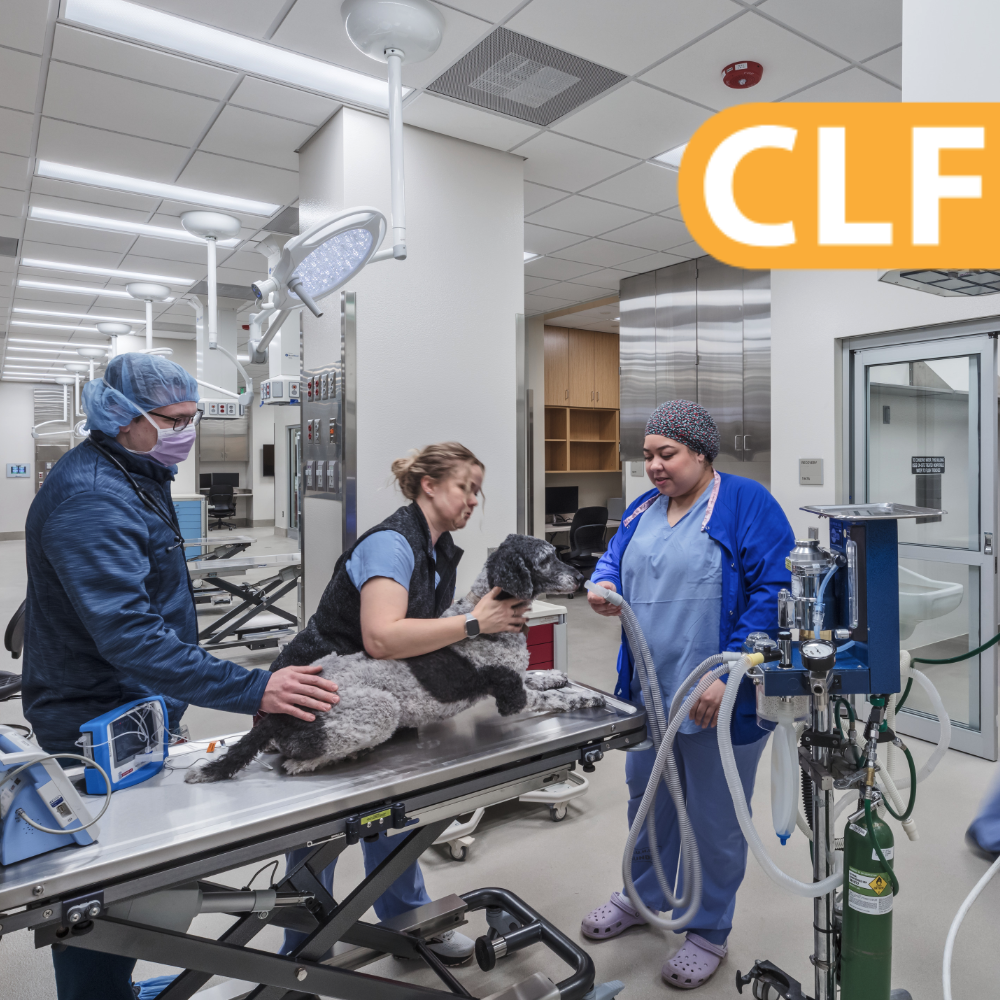
Labs2Zero: A Path to Decarbonize and Improve Research Facilities
Published June 2026 by Dirk von Below and Gordon Sharp, International Institute for Sustainable Laboratories (I2SL) Recognizing that laboratories use five to 10 times as much...

Introducing Frances Yang
Associate Director for Low Carbon Design Frances Yang is Associate Director of Low Carbon Design, with the role of supporting research, strategy, and coordinated action for...
2026 – 2029 Strategic Plan
Can you imagine a future where green construction is the status quo? In many ways, it won’t look much different than today. Low embodied carbon buildings will still have walls, windows, and roofs. Their structures will still withstand the elements. They’ll still be comfortable for us to occupy. And they’ll be resilient and durable enough to last for generations.
2025 Annual Impact Report
Can you imagine a future where green construction is the status quo? In many ways, it won’t look much different than today. Low embodied carbon buildings will still have walls, windows, and roofs. Their structures will still withstand the elements. They’ll still be comfortable for us to occupy. And they’ll be resilient and durable enough to last for generations.

Introducing Kristina Farrell
The research and data analysis will guide CLF in reporting material baselines in future publications. It aims to be a useful resource for practitioners, policymakers, and stakeholders, enhancing the accuracy and clarity of building decarbonization at the product level. The goal is to empower individuals to reduce embodied carbon and promote meaningful reductions in emissions.

Thornton Tomasetti: Driving a Low-Carbon Future Through Collaboration and Innovation
Published December 2025 by Amy Hattan, Corporate Responsibility Officer, Thornton Tomasetti At Thornton Tomasetti, our embodied carbon journey has unfolded in three distinct...
One Click LCA: Science meets scale
by Panu Pasanen, CEO and founder of One Click LCA Advancing life-cycle assessment for global impact Life-cycle assessment is entering a new phase of maturity. The merger of...
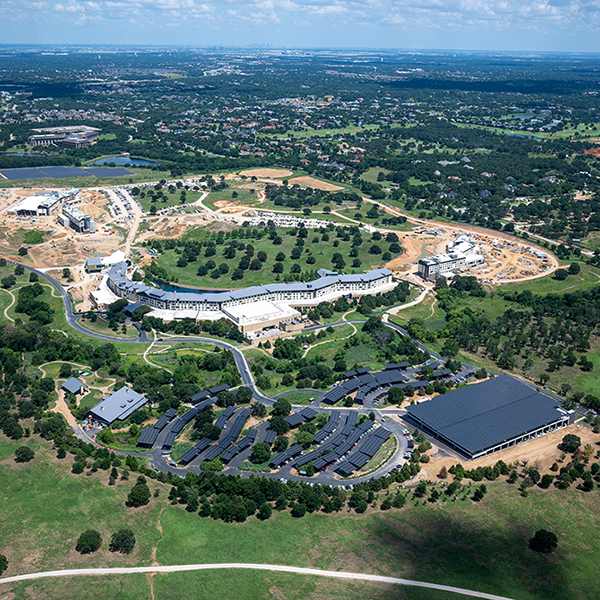
Deloitte: Procurement Can Reduce Embodied Carbon in Public Projects
by John O’Brien, SJ Maxted, Kira Rosi-Schumacher, and Kirsten Gudiel In February 2025, the California Department of Transportation (Caltrans) began requiring contractors to...

CLF BC Hub: 5 Years as British Columbia’s Embodied Carbon Centre of Excellence!
By Stephanie Dalo, Program Manager, CLF British Columbia Thanks to the ongoing leadership of founder, Anthony Pak, the dedication of the CLF BC volunteers, the generosity of...

Introducing Rachelle Habchi
The research and data analysis will guide CLF in reporting material baselines in future publications. It aims to be a useful resource for practitioners, policymakers, and stakeholders, enhancing the accuracy and clarity of building decarbonization at the product level. The goal is to empower individuals to reduce embodied carbon and promote meaningful reductions in emissions.
Labs2Zero: A Path to Decarbonize and Improve Research Facilities
Published June 2026 by Dirk von Below and Gordon Sharp, International Institute for Sustainable Laboratories (I2SL) Recognizing that laboratories use five to 10 times as much...
Introducing Frances Yang
Associate Director for Low Carbon Design Frances Yang is Associate Director of Low Carbon Design, with the role of supporting research, strategy, and coordinated action for...
2026 – 2029 Strategic Plan
Can you imagine a future where green construction is the status quo? In many ways, it won’t look much different than today. Low embodied carbon buildings will still have walls, windows, and roofs. Their structures will still withstand the elements. They’ll still be comfortable for us to occupy. And they’ll be resilient and durable enough to last for generations.
2025 Annual Impact Report
Can you imagine a future where green construction is the status quo? In many ways, it won’t look much different than today. Low embodied carbon buildings will still have walls, windows, and roofs. Their structures will still withstand the elements. They’ll still be comfortable for us to occupy. And they’ll be resilient and durable enough to last for generations.
Introducing Kristina Farrell
The research and data analysis will guide CLF in reporting material baselines in future publications. It aims to be a useful resource for practitioners, policymakers, and stakeholders, enhancing the accuracy and clarity of building decarbonization at the product level. The goal is to empower individuals to reduce embodied carbon and promote meaningful reductions in emissions.
Thornton Tomasetti: Driving a Low-Carbon Future Through Collaboration and Innovation
Published December 2025 by Amy Hattan, Corporate Responsibility Officer, Thornton Tomasetti At Thornton Tomasetti, our embodied carbon journey has unfolded in three distinct...
One Click LCA: Science meets scale
by Panu Pasanen, CEO and founder of One Click LCA Advancing life-cycle assessment for global impact Life-cycle assessment is entering a new phase of maturity. The merger of...
Deloitte: Procurement Can Reduce Embodied Carbon in Public Projects
by John O’Brien, SJ Maxted, Kira Rosi-Schumacher, and Kirsten Gudiel In February 2025, the California Department of Transportation (Caltrans) began requiring contractors to...
CLF BC Hub: 5 Years as British Columbia’s Embodied Carbon Centre of Excellence!
By Stephanie Dalo, Program Manager, CLF British Columbia Thanks to the ongoing leadership of founder, Anthony Pak, the dedication of the CLF BC volunteers, the generosity of...
Introducing Rachelle Habchi
The research and data analysis will guide CLF in reporting material baselines in future publications. It aims to be a useful resource for practitioners, policymakers, and stakeholders, enhancing the accuracy and clarity of building decarbonization at the product level. The goal is to empower individuals to reduce embodied carbon and promote meaningful reductions in emissions.