

by Mel Chafart
Researcher at the Life Cycle Lab, University of Washington
Recently, I joined the CLF-LA Hub on a tour of the CalPortland plant in Mojave. It was really illuminating to learn more about how the sausage gets made. I tend to think about cement as the bad guy of concrete production, with a vast majority of the emissions from concrete coming from the manufacturing of Ordinary Portland Cement.
However, meeting the CalPortland people wasn’t like meeting a villain, it was like meeting a coworker. They were experimenting with new ways to reduce their environmental impact. They touted new solutions, and were excited to geek out on all the minutiae of lower carbon products. It would be a stretch to say that every cement producer is thinking this way, but I will say that the CalPortland team’s willingness to share about the positives and negatives of cement manufacturing reinforced a lot of my own thoughts about one aspect of solving the climate crisis: sharing.
Sharing sounds vague, and what I’m really talking about is openness and transparency. We need to share more information. We need more data available to make informed decisions about our buildings. We need more of our environmental impact reductions to be shared widely and adopted fully. Collectively, the AEC industry needs to know more about what works and what doesn’t. More and more, I’m realizing that there is no silver bullet. We need to throw the kitchen sink at the climate crisis, and the only way that I see us getting there is to do it together.
This is what excites me about working at CLF. We may not be the fastest, but our plan is to be as open, transparent and clear-eyed about what information we have and want to disseminate. It’s why I’m really proud of the CLF Benchmarking Study v2, and I can’t wait to share our insights, our recommendations, and most importantly, our data. On the POD|LCA project, we’re working to create new tools and insights into what decisions can make the biggest difference on your projects. This will come in the form of tools, writeups, and even more data.
I don’t know what the future will hold, but I do know that I want to be a part of a world where people are willing to share what they have for the collective good. That’s where I want to be, and that’s what I hope to keep working on.
Willing to share whenever,
Mel
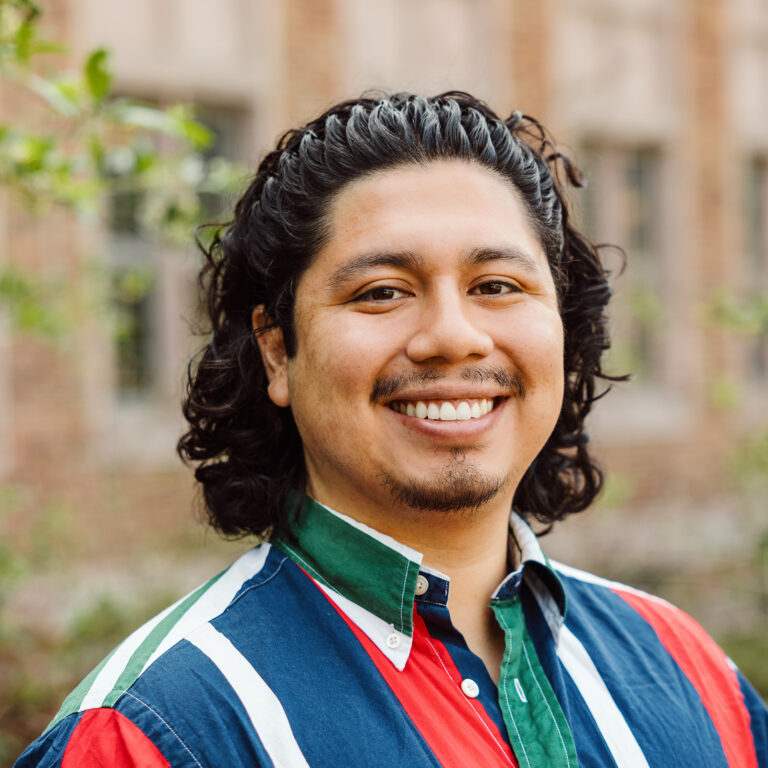
Mel Chafart is a Researcher with the Life Cycle Lab at the University of Washington, where he is primarily focused on researching Whole Building Life Cycle Assessments. Prior to joining the CLF, Mel was a structural engineer at Buro Happold, assisting in the design of steel and concrete structures in the US and abroad.