





by Ash Lauth, Senior Campaign Strategist, Industrious Labs
What Tanzania Taught Me About Reducing Embodied Carbon
The embodied carbon of a building is shaped long before concrete is poured. Procurement policies, performance standards, financing decisions, industrial investment, and collaboration across the construction value chain all influence which materials reach the market and which become standard practice. Those upstream decisions ultimately determine the carbon profile of the buildings and infrastructure we construct.
That perspective became much clearer to me while working alongside partners in Tanzania.
Nearly 90% of the world’s cement will be produced in the Global South between now and 2050, placing rapidly growing economies at the center of efforts to reduce embodied carbon. In Tanzania, conversations about cement increasingly sit alongside conversations about industrial development, economic competitiveness, infrastructure expansion, and climate resilience.
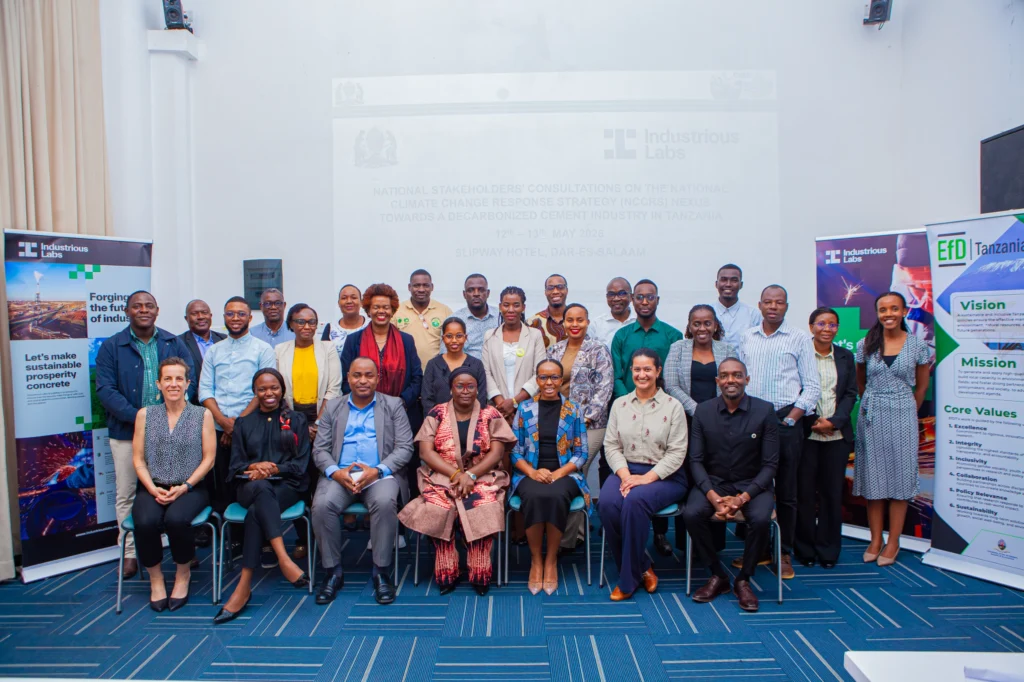
This year, Industrious Labs partnered with Tanzania’s Vice President’s Office to convene the country’s first national consultation on cement decarbonization. The workshop brought together government officials, cement manufacturers, researchers, civil society organizations, and community representatives to explore practical pathways for reducing emissions while supporting industrial growth.
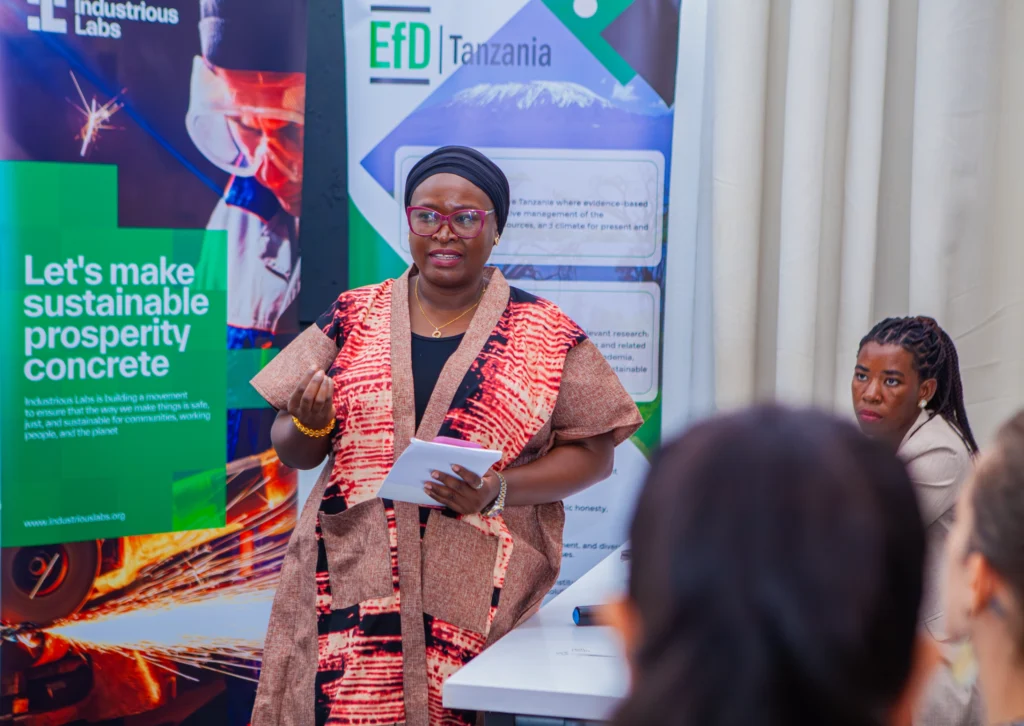
Hadija Kayera, permanent secretary of the Vice-president’s Office
The workshop itself began months earlier. Our Tanzania Advisor, Gloria Mgelwa, spent that time meeting individually with stakeholders across the country. Rather than introducing a predetermined agenda, she listened carefully to the priorities, concerns, and opportunities each group identified.
One theme surfaced repeatedly. People were working toward many of the same goals, yet they rarely had opportunities to work together. Industry, government, researchers, and communities were each contributing valuable expertise, though very few forums existed where those perspectives could be brought together constructively.
That understanding shaped both the design of the workshop and the conversations that followed.

Over two days, nearly 30 participants explored how Tanzania could reduce emissions from cement while strengthening industrial competitiveness, creating jobs, and supporting infrastructure development. The discussion quickly moved beyond broad aspirations. Participants began developing pilot concepts focused on workforce development, community-based emissions monitoring, industrial efficiency, alternative fuels, and the use of locally available low-carbon materials. A panel scheduled for one hour continued for nearly two and a half because participants remained deeply engaged in the discussion.
The experience reinforced an important lesson for me. Discussions about embodied carbon often center on materials and technology, yet progress also depends on how institutions, markets, and people work together.
Lower-carbon cement technologies continue to advance. Climate finance is expanding, and governments are developing new industrial and climate policies. Manufacturers, buyers, investors, and policymakers each influence how quickly those opportunities translate into widespread adoption. Aligning those actors around shared objectives creates the conditions for lower-carbon materials to move from demonstration projects into everyday construction.
That is why our work in Tanzania focused as much on relationships as technology. Bringing together manufacturers, government agencies, researchers, contractors, workers, and communities creates opportunities to identify barriers, generate practical evidence, and build confidence in approaches that reflect local priorities. Those conversations also help inform green public procurement, performance-based standards, and financing strategies that support wider adoption of low-carbon cement.
For me, this is where embodied carbon becomes tangible. The specifications written by engineers, the procurement decisions made by public agencies, the investments made by manufacturers, and the financing provided for new production all influence the materials available to designers and builders. Every stage contributes to the carbon footprint of the finished project.
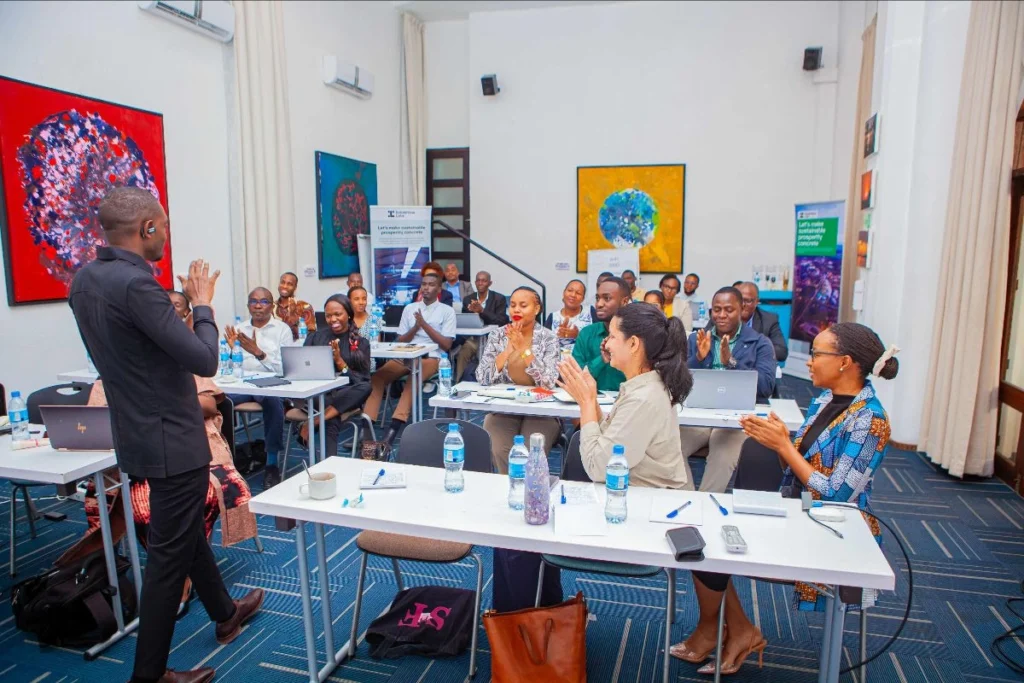
We measure progress in the same way. Workshops are valuable because they create momentum, though lasting success comes from what follows. In Tanzania, participants volunteered to refine pilot projects, identify implementation partners, contribute technical expertise, and continue working together beyond the initial consultation. Tanzania’s Vice President’s Office also expressed interest in advancing a collaborative framework to support the next phase of this work.
Current efforts focus on developing community-led pilot projects, strengthening collaboration across sectors, and generating evidence that can inform future policy and investment. Those activities support broader goals around green public procurement, stronger embodied carbon standards, and climate finance that accelerates deployment of lower-carbon production.
The work has also sparked interest beyond Tanzania. Partners in Kenya, Nigeria, and India are exploring how elements of this approach, particularly relationship-building, cross-sector collaboration, and locally grounded implementation, could inform their own efforts to decarbonize cement.
Tanzania reminded me that embodied carbon reflects more than the composition of concrete. It also reflects the strength of the institutions, partnerships, and policies that shape how construction happens. Building those foundations creates opportunities for cleaner materials to become part of everyday practice while supporting economic development, resilient infrastructure, and stronger local industries across the Global South.

Ash Lauth, Senior Campaign Strategist, Industrious Labs

Ash Lauth works to decarbonize the global cement and concrete industries, focusing on the intersection of supply and demand-side strategies at both the global and domestic levels. She focuses on outreach, engagement, and partnership with frontline communities, workers, and private sector stakeholders.
Bringing together manufacturers, government agencies, researchers, contractors, workers, and communities creates opportunities to identify barriers, generate practical evidence, and build confidence in approaches that reflect local priorities. Those conversations also help inform green public procurement, performance-based standards, and financing strategies that support wider adoption of low-carbon cement.