




What are you and your organization doing to help reduce embodied carbon emissions?
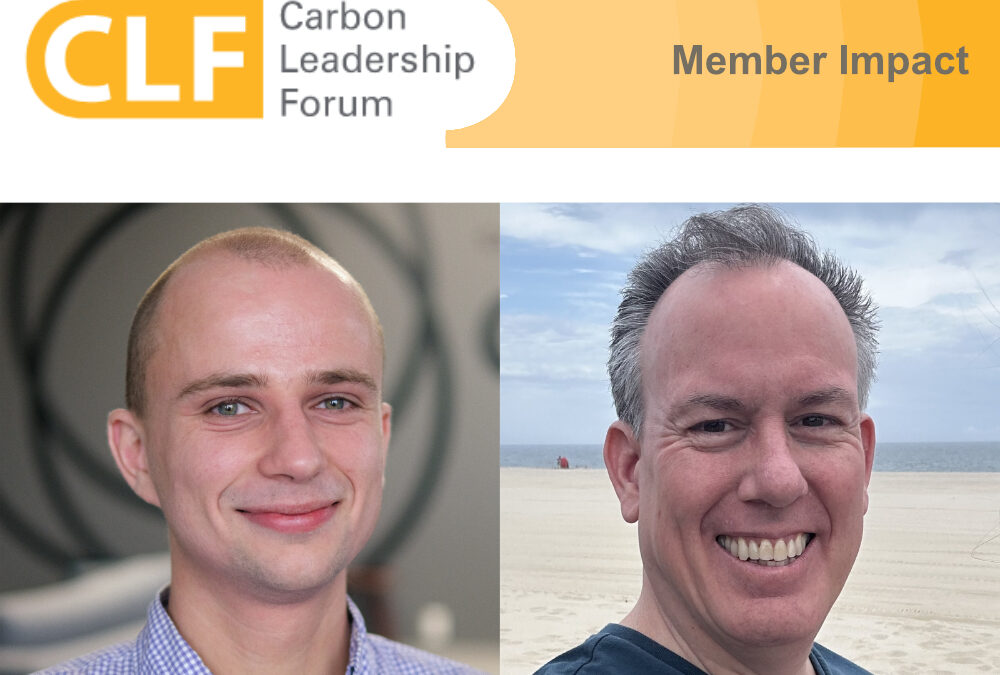
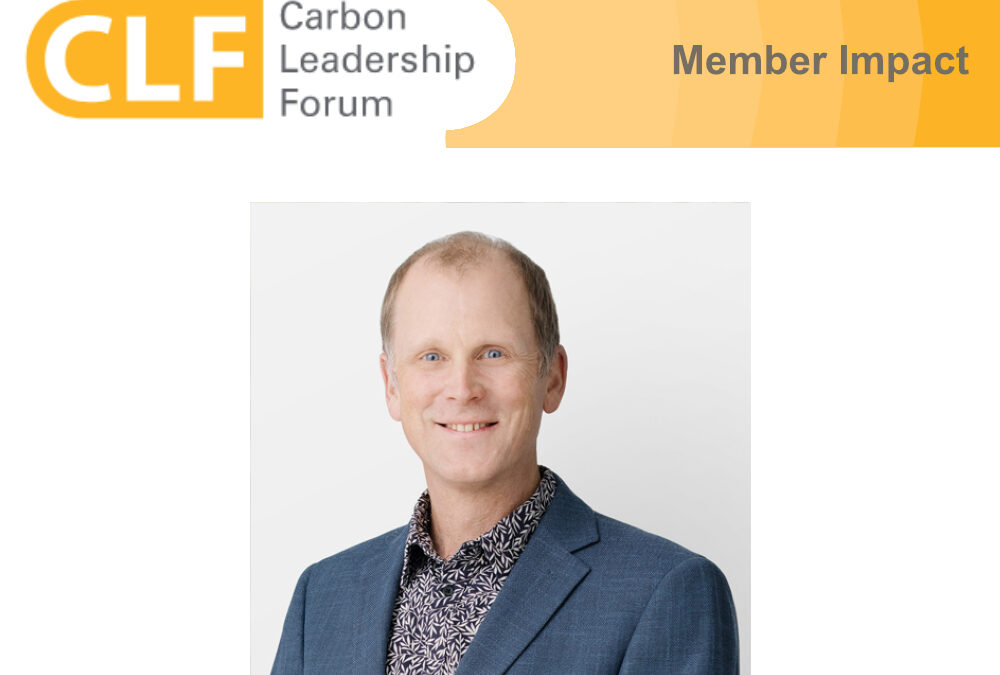
Jacob Savona, Director of wbLCA Services, The Green Engineer
Across our industry and throughout my collegiate and professional education, operational carbon has always been a major focus of efforts to reduce carbon emissions. While operational carbon is responsible for a large portion of our built environment’s carbon emissions, I have always been interested in the building materials themselves. My curiosity extended beyond how these materials can make our buildings more energy-efficient to understanding where they come from and what they are made of. Over the past five years, I, along with many others, have learned about the significant impact of embodied carbon emissions on our built environment.
In my new role as Director of Whole-Building Life Cycle Assessment Services at The Green Engineer, we aim to equip clients with the knowledge, tools, and best practices to track and reduce their embodied carbon to the greatest extent possible. Sustainability consultants can play a crucial role in liaising with owners, architects, structural engineers, contractors, subcontractors, and suppliers to make the task of reducing embodied carbon more successful. We aim to make whole-building Life Cycle Assessments (LCAs) approachable and create viable pathways to reduce emissions across all project types.
Ultimately, we aim to establish whole-building LCAs as standard practice within the design and construction process, alongside conducting energy models. We have observed that projects incorporating both analyses can accurately assess operational and embodied carbon emissions, providing a comprehensive picture of total carbon emissions.
As our understanding of the built environment evolves, so will our methods for sourcing and reporting carbon emissions. We are committed to being a part of this transformative change.
What are you and your organization doing to help reduce embodied carbon emissions?
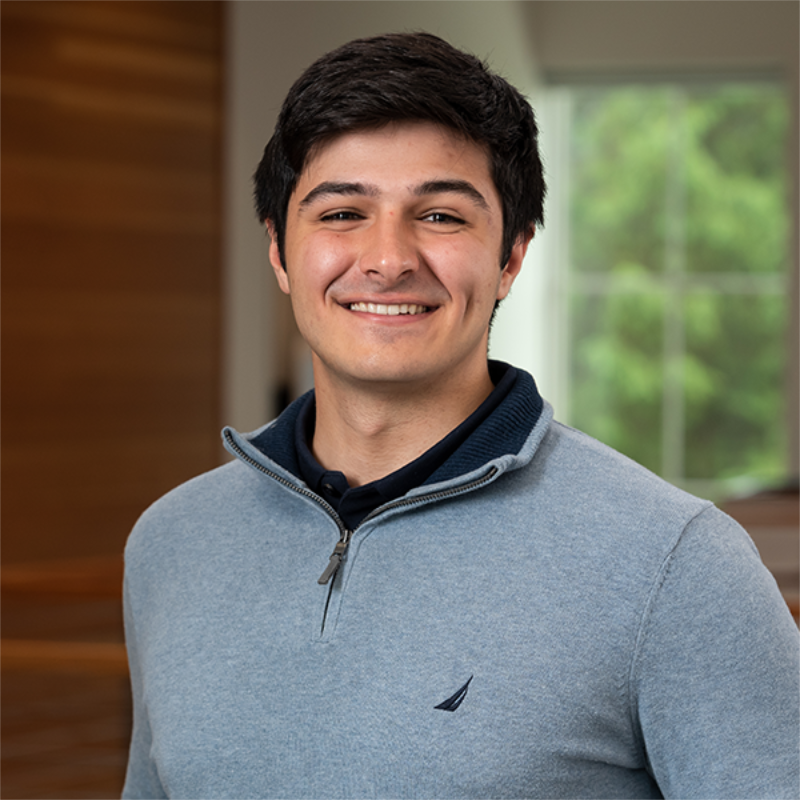
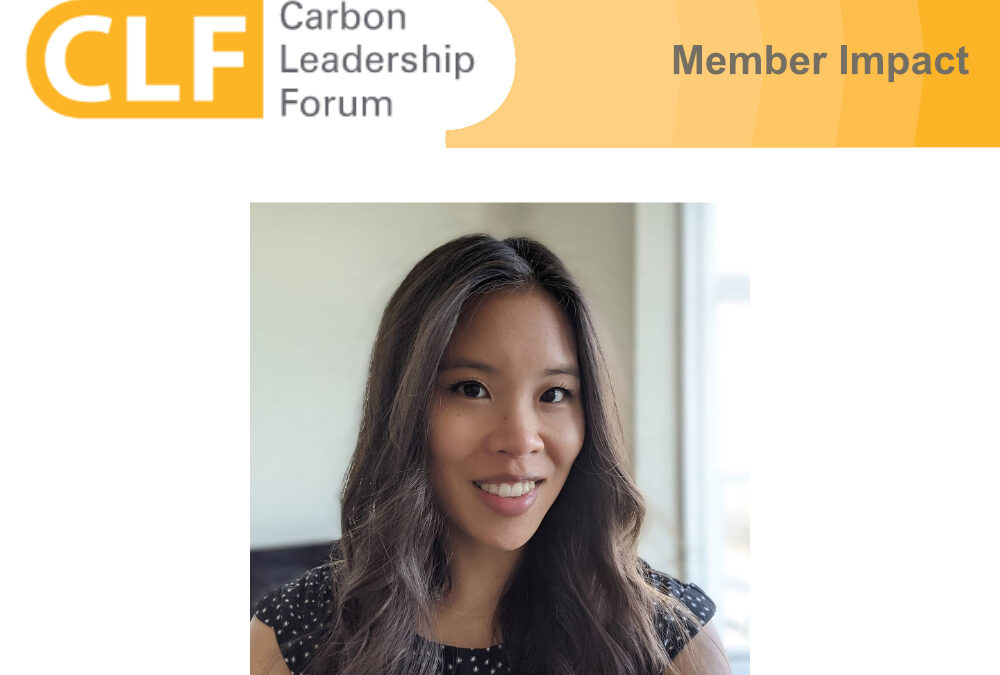
Cameron Burkacki, Sustainability Engineer, Consigli Construction Company
Having just celebrated my first anniversary in the workforce with Consigli Construction Co., Inc., the post-graduation confusion and apprehension feel distant. “What in the world can I do with an Environmental Science degree?” said the soul-searching student, or something to that effect.
As it turns out, you can do quite a lot.
For Consigli, sustainability—especially decarbonization—is a top priority, centered in the firm’s internal and external work. My sustainability colleagues encouraged and supported my pursuit of green building credentials, such as the LEED AP, WELL AP, and Certified Passive House Builder, helping me give back my knowledge to strengthen Consigli’s pursuit of best practices for decarbonization companywide.
One of my most notable experiences with Consigli was when I visited a manufacturing facility to get a closer look at a revolutionary ground glass pozzolan known as “Pozzitive,” a supplementary cementitious material Consigli is employing for select concrete pours at the David Rubenstein Treehouse, located at Harvard University’s Enterprise Research Campus. Leveraging our connections with vendors, ready-mix suppliers, and concrete subcontractors, Consigli laid the groundwork to enable this significant material innovation to see the light. As a result of the ground glass pozzolan, the project’s embodied carbon was reduced to support its sustainability goals, including targeted a Living Building Challenge (LBC) Petal Certification.
Experiences like these help me, as an emerging professional in the industry, understand what construction management is all about: dreams becoming reality. Sustainability is filled with dreamers, and Consigli is working hard to translate sustainable ideas into tangible spaces that can be lived in and celebrated.
With much of my career still ahead of me, I am excited to contribute to the decarbonization movement sweeping across the built environment, and I am proud to represent Consigli at the forefront of sustainable construction.