




¿Qué están haciendo usted y su organización para ayudar a reducir las emisiones de carbono incorporadas?
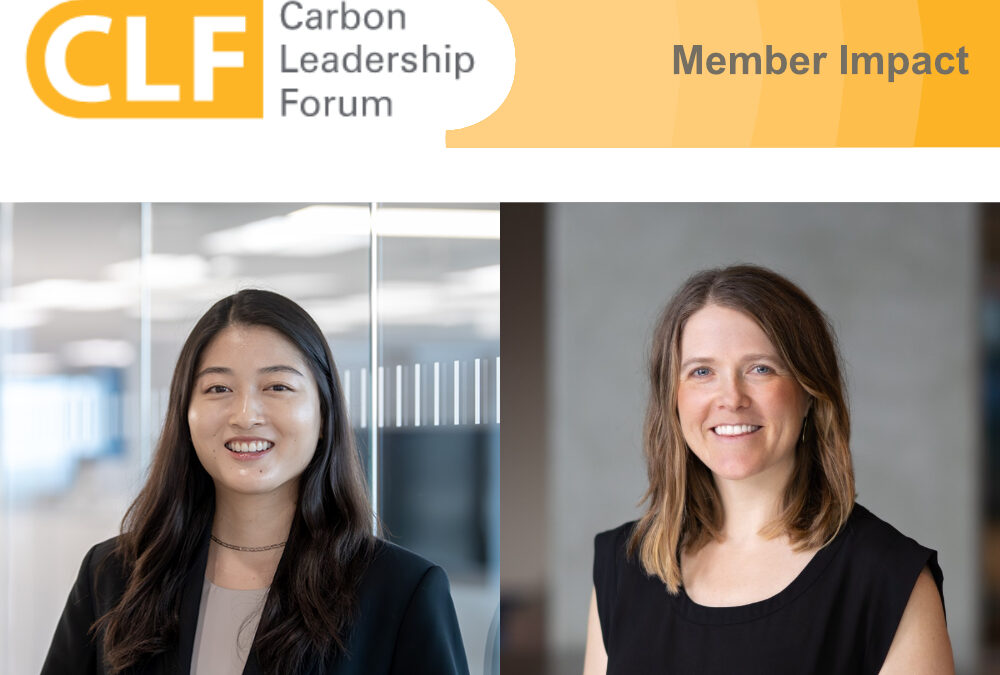
Aurora Jensen
Embodied Carbon Lead, Brightworks Sustainability
My appreciation for nature developed early. From the rich and alien world of our oceans, to snowy mountain peaks – I was in awe. In another life I might have been an ecologist, but in college I was drawn to environmental design for its vernacular roots and its potential for impact. I still recall the day I learned the term “externalities” in college. To me, this term characterizes our current predicament perfectly and highlights it as a systems issue. Evidence of environmental change – the science of greenhouse gases, incessant waste, and tipping points – became driving forces for my work. While I have great concern, I also have optimism. The AEC industry has tremendous opportunity to rethink energetic and material decisions to build a different future. After college I lucked into working at KieranTimberlake on the Tally tool, and saw firsthand the uphill battle embodied carbon was facing to get broad uptake in the industry.
Over the last few years we have been lucky to grow a team at Brightworks Sustainability focused on embodied carbon. Our work is part portfolio-scale, helping owners track and analyze the embodied carbon of their common typologies and implement decarbonization pathways. The second part of our work is on live projects, helping design teams investigate and reduce carbon from early design through procurement and submittal review. We are lucky to work with some of the smartest and most motivated clients we could hope for, from developers to tech giants. Looking ahead, Brightworks’ embodied carbon team aims to help normalize reporting and decarbonizing supply chain impacts and to work with the industry to keep testing the front of what is possible. Beyond this, we prioritize our people and the essential work of growing a group of thoughtful practitioners who can support this transition.
Outside my work at Brightworks, I also teach Environmental Design to undergraduate students at Parsons. Nothing motivates me more than their insights as we explore vernacular marvels like ancient Persian ice houses (yakhchāl) and talk about the baffling mechanisms and landscapes of global supply chains.

“Evidence of environmental change – the science of greenhouse gases, incessant waste, and tipping points – became driving forces for my work. While I have great concern, I also have optimism. The AEC industry has tremendous opportunity to rethink energetic and material decisions to build a different future.“
¿Qué están haciendo usted y su organización para ayudar a reducir las emisiones de carbono incorporadas?
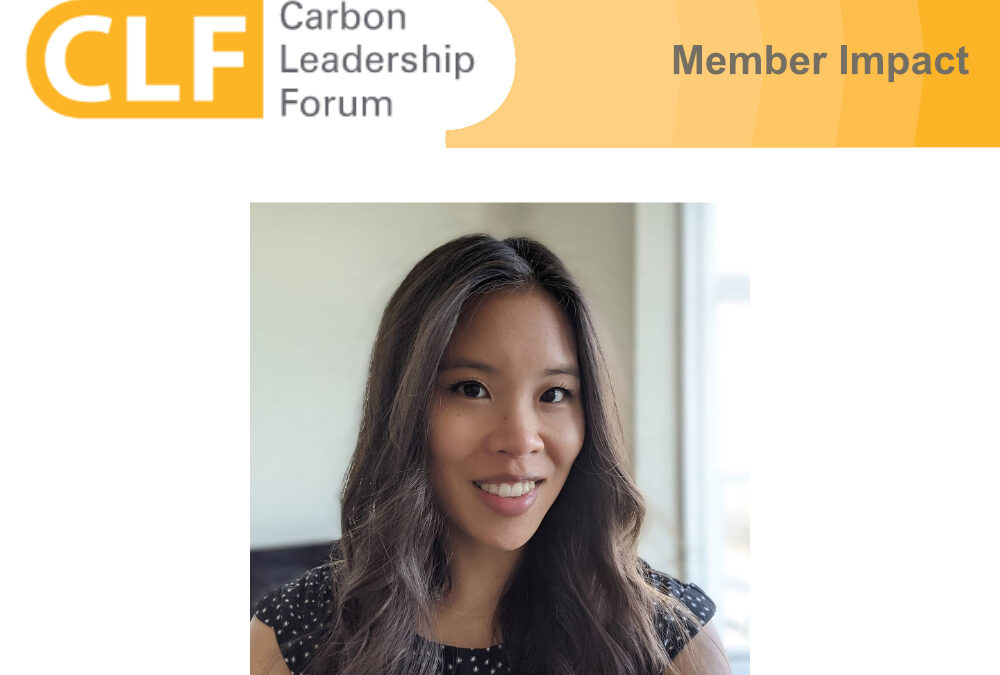
Mikaela DeRousseau
Data and Methodology Manager, Building Transparency
Having my work focus on addressing the built environment’s role in climate change has always been my goal, as it provides excitement alongside healthy challenges that motivate me. The work that I do is easy to be passionate about and also hosts a myriad of challenges that require hard work, critical thinking, creativity, and problem solving. I have also found that others in this field are similarly passionate about their jobs, making it a wonderful community to tackle large problems with.
Building Transparency’s purpose is to provide the open access data and tools necessary to enable broad and swift action across the building industry in addressing embodied carbon’s role in climate change. To that end, we have developed and launched a suite of tools to support the AEC and infrastructure sectors in reducing their embodied carbon emissions.
One such tool is Building Transparency’s Embodied Carbon in Construction Calculator (EC3), which is a searchable database of Environmental Product Declarations (EPDs) with the additional functionality of a building planner to help benchmark and reduce the embodied carbon of building projects. We’ve also developed tallyCAT and support tallyLCA, which are useful tools for whole building analyses.
Within this organization, I spend the majority of my time working to advance the data quality aspects associated with searchability, usability, and data transferability of EPDs. One of my main responsibilities is to continually expand the utility of the EC3 tool by adding additional product categories. In addition, I help improve data quality by adding functionality to our scripts, which parse EPDs and identify their data accurately. Lastly, I participate in the advancement of the EPD ecosystem, working to standardize Product Category Rules (PCRs) while also serving on various external committees lobbying for harmonized, fair, and science-based carbon accounting rules.

“The work that I do is easy to be passionate about and also hosts a myriad of challenges that require hard work, critical thinking, creativity, and problem solving. I have also found that others in this field are similarly passionate about their jobs, making it a wonderful community to tackle large problems with.“
¿Qué están haciendo usted y su organización para ayudar a reducir las emisiones de carbono incorporadas?
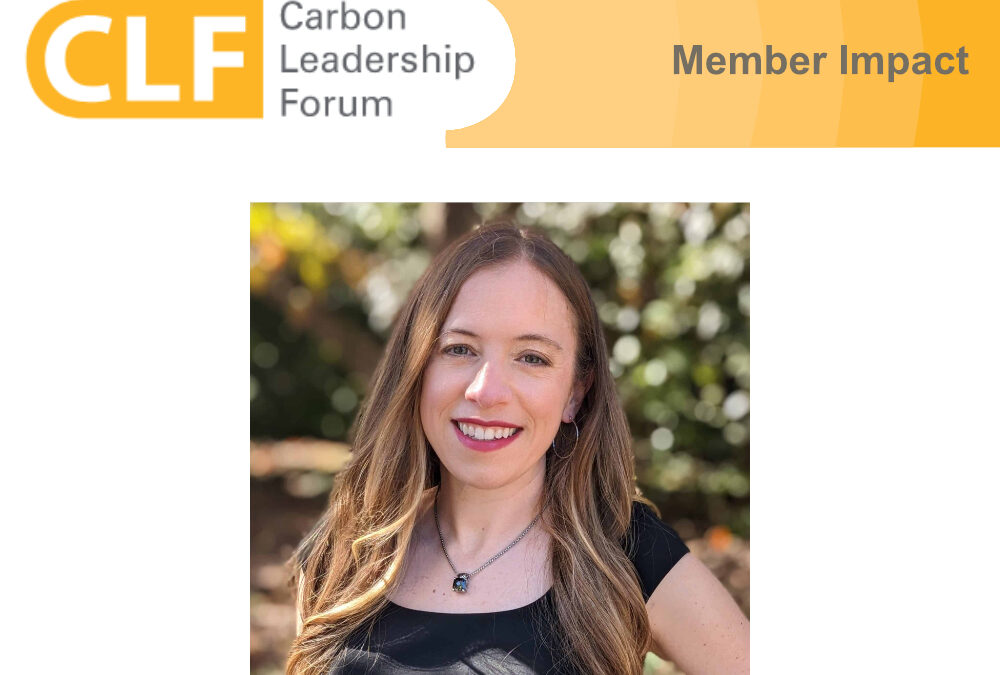
jesce walz
Carbon & Circularity Research Lead, Perkins & Will
My career began with a passion for equity, ecology, and creativity. Over two decades, I’ve worked as a designer, utilizing recycled, bio-based, and historic materials in dynamic urban settings. Along the way I’ve encountered kindred spirits working in regenerative design and carbon leadership who have informed my approach and empowered me to practice advocacy, research, and architecture in tandem.
As a firmwide research leader at Perkins & Will, I’m motivated each day by opportunities to improve environmental outcomes of our work at many scales. I collaborate with colleagues across a global network of studios and with industry and organizational partners to reduce the embodied carbon impacts of products, projects, and portfolios.
Our firm is a signatory of the World Green Building Council Net-Zero Carbon Buildings Commitment. We apply the principles of this whole-life carbon reduction framework to our own offices as well as to our projects. Specifically, we are advancing a Net Zero Now interiors circular design approach, prioritizing adaptive transformation and bio-based materials like madera en masa, performing iterative Whole Building LCA, implementing low-GWP product selection, and furthering carbon reduction alongside materials health. It’s exciting to innovate alongside our teams and clients to realize embodied carbon impact reduction through research-informed practice.
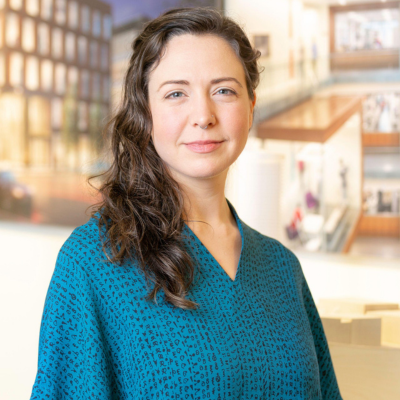
“Along the way I’ve encountered kindred spirits working in regenerative design and carbon leadership who have informed my approach and empowered me to practice advocacy, research, and architecture in tandem.“