




What are you and your organization doing to help reduce embodied carbon emissions?
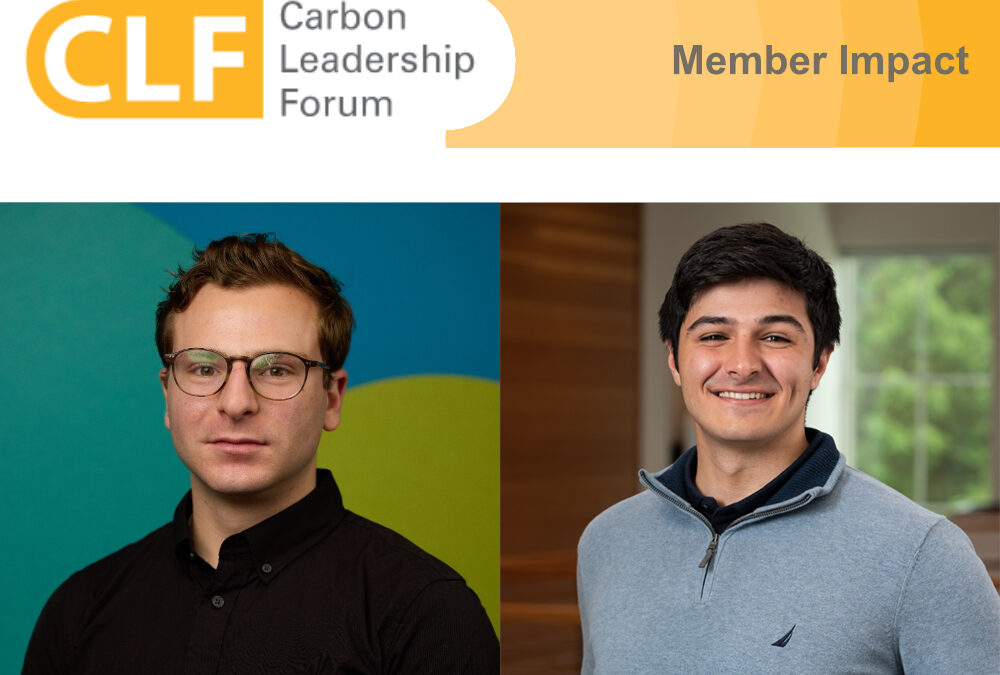
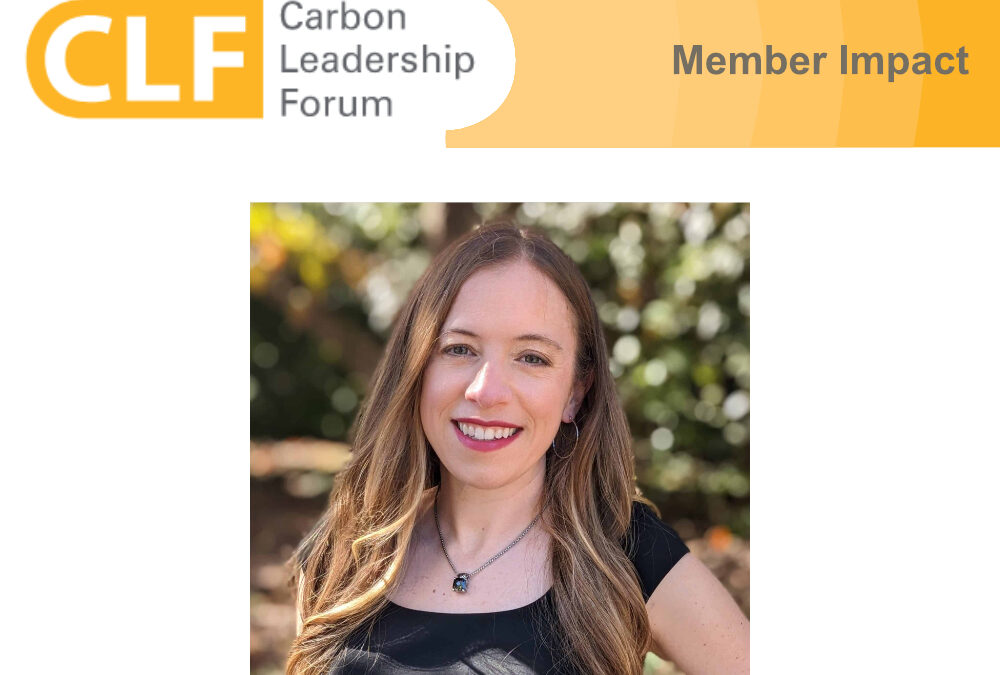
Martin Escarbelt, Market Development Manager, CarbiCrete
When I started university 6 years ago, my understanding of climate change was limited. I had a lot of eco-anxiety, blaming myself for living in a different country than my family; I traveled home every 6 months and was experiencing flygskam – a Swedish word meaning “flight shame.” I began thinking how I could reduce my personal carbon footprint with steps like vegetarianism. I realized that as a student, I had the opportunity to align my future career with my personal values.
I was fortunate to be introduced to CarbiCrete through a consulting project during my time at McGill University, which made me realize that decarbonization solutions can go far beyond consumer responsibility.
CarbiCrete is a Montreal-based carbon removal technology company developing innovative, low-cost building solutions that contribute to the reduction of greenhouse gas emissions. The company’s patented technology enables the production of cement-free concrete. The process uses an industrial by-product–the slag from steel factories–to replace cement as a binding ingredient in concrete products. The process injects CO2 into the fresh concrete to provide strength while permanently sequestering CO2 within the resulting products.
At CarbiCrete, we are tackling the decarbonization of the built environment through the most ubiquitous man-made material, concrete. Despite all of the progress made in the past decades, the construction industry continues to change slowly. I spend a lot of my time working with architects, engineers, and construction professionals to make decarbonized concrete more and more common, and turn it from a ground-breaking innovation into business as usual.
My team has had the opportunity to talk about sustainable concrete and embodied carbon at several events, collaborating with organizations such as Batiment Durable Quebec, the Canadian Green Building Council, the Chamber of Commerce of Metropolitan Montreal, and others.
Additionally, I am personally involved with the 2Tonnes workshop, where I direct an educational experience using data models to simulate quantified low-carbon transition scenarios.
Participating in the fight against climate change, both in my professional and my personal life, is a rewarding journey. I encourage everyone to act at whatever level is possible for you!

What are you and your organization doing to help reduce embodied carbon emissions?
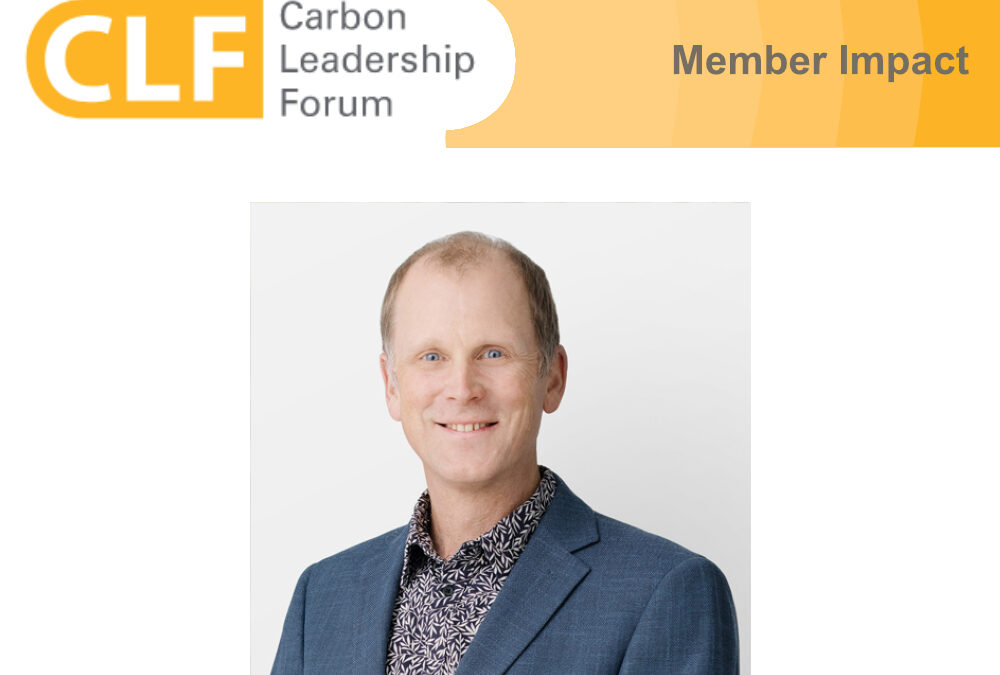
John Cays, Professor of Practice in the New Jersey School of Architecture
I grew up in rural Pennsylvania in the 1970s. My grandmother put my siblings and cousins to work every summer weeding her two-acre vegetable garden. Weeks after she turned its soil with compost and carefully planted rows of a dozen different kinds of vegetables, she would patiently show us the differences between each of the leaves and how they protected the crop. I still remember my early practical introduction to life cycles and the direct benefits of careful resource stewardship that I could taste after each harvest.
I have been fortunate throughout my 30-year career as an architect and educator in New York and New Jersey after graduating from Princeton University. Working at Robert A.M. Stern Architects, becoming a founding partner at GRADE Architects, teaching at Parsons School of Design and the New Jersey Institute of Technology, I have had the time to develop my own quantitative approach to sustainable design. I now teach architecture students with courses in environmental life cycle assessment in design, qualified and limited net zero building techniques, and circular building economy.
In addition to many helpful resources, including those from the CLF in my classes, I use my own 2021 book, An Environmental Life Cycle Approach to Design: LCA for Designers and the Design Market. I have also been privileged to co-chair three consecutive annual international Environmental Life Cycle Assessment in Design (eLCAd) symposia bridging design, industry, and LCA practice communities through focused presentations on current and emerging topics in LCA and design. These are co-hosted by the NJIT and the American Center for Life Cycle Assessment where I am a Board Member and Education Committee Member.
The CLF was there at the beginning of eLCAd and continues to contribute deep expertise and leadership in addressing the key GWP environmental impact category. I am personally grateful to call myself a member!

“I have been fortunate throughout my 30-year career as an architect and educator in New York and New Jersey … to develop my own quantitative approach to sustainable design. I now teach architecture students with courses in environmental life cycle assessment in design, qualified and limited net zero building techniques, and circular building economy.”