CLF
  julio 2021

Policy Drives Change

por Kate Simonen, Directora Ejecutiva, Carbon Leadership Forum

The Carbon Leadership Forum’s “theory of change” is a kind of roadmap to guide our work. We begin by articulating our long-term goal of decarbonizing the built environment, with a focus on reducing the carbon footprint of materials. We then identify the necessary to meet that goal – for example, a knowledgeable community of connected collaborators, government and corporate policies in place to help drive change, reliable, transparent, openly accessible data, and powerful tools to help designers lower the carbon footprint of their projects. Finally, we identify the specific work CLF uniquely must do to deliver those outcomes.

A key component of CLF’s theory of change involves informing the development of policies that can drive decarbonization. This does not mean that we lobby for specific policies. However, we do believe that decarbonization policy, to be effective, must be technically appropriate and of high quality. It must be based on rigorous research and informed by robust methodology. And it must lead to equitable outcomes and healthy communities. We are grateful for the opportunity to help inform and refine policy proposals, supporting both government and private sector policies and practices.

As CLF’s Meghan Lewis notes in this newsletter, several states are now taking big steps on embodied carbon this legislative session. Procurement policies related to embodied carbon were introduced in eight states in 2021, and the Governor of Colorado has now signed a law titled “Global Warming Potential for Public Project Materials” -- popularly known as Buy Clean Colorado -- designed to reduce embodied carbon in materials procured for tax-funded projects. We are proud that CLF’s Policy Toolkit is playing a significant role informing these initiatives!

Impacto de los miembros  

lucas leung
Sustainable Engineering Director, SOM

Dra. Kanwal Sugit
Founding Director, TerraLive Envirotech

Jon Strimling
Serial CleanTech entrepreneur and CEO of CleanFiber

julia pooler
Leader of Girl Scout Troops 1477 and 1952 in Madison, WI

Find out what our members are doing to address embodied carbon
Aprende más
Healthy Materials Webinars: A Series from
CLF San Francisco
 

Now is the Time to Reconsider
the Products of Our Built Environment

Next in the series: Building Systems
July 19, 2021, 5:00 pm PST

After a year of Covid-19, environmental crises, and calls for social justice, ‘Healthy Materials’ could not be more important. We have seen the air polluted with carbon from the extraction of raw materials. We have seen manufacturing plants release toxic by-products into the air and water, compromising neighborhoods predominantly of color. We have seen contagions spread through our buildings, ill-equipped to suppress such viruses and bacteria. We have seen fires burn toxicity into our air, poisoning our firefighters and neighbors. Now is the time to reimagine the products of our built environment.

Local AIA COTE, CLF, and USGBC chapters in the San Francisco Bay Area and Los Angeles present the Healthy Materials Series, a 6-part program that started in May 2021 and continue through August 2021.

Register for the Series
 
CLF Analysis: EPD Requirements in Procurement Policies  
CLF
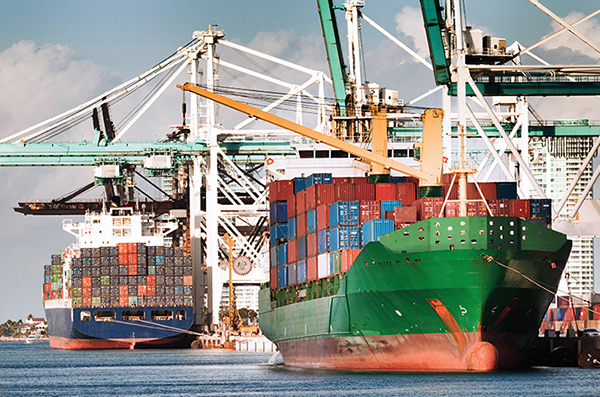
A variety of existing and proposed legislation regulating public procurement at the federal, state, and city levels require the collection of environmental product declarations (EPDs) for reporting the greenhouse gas (GHG) emissions associated with building material production. Colorado's new law Global Warming Potential for Public Project Materials, and similar policies aim to reduce the embodied carbon associated with the construction of publicly owned facilities by leveraging the purchasing power of government agencies to incentivize transparency and encourage lower-carbon options.

CLF Analysis of Environmental Product Declaration (EPD) Definitions in Buy Clean and other North American Procurement Policies

Un número creciente de políticas de adquisiciones locales, estatales y federales requieren declaraciones ambientales de productos (EPD) para informar el carbono incorporado de los productos elegibles. El carbono incorporado se refiere a las emisiones de gases de efecto invernadero que surgen de la fabricación, instalación, mantenimiento y eliminación de materiales de construcción utilizados en la construcción de edificios, carreteras y otras infraestructuras. Las políticas de adquisición, como Buy Clean, tienen como objetivo aprovechar el poder adquisitivo de las agencias gubernamentales para incentivar la transparencia y un cambio hacia opciones de bajas emisiones de carbono en el mercado más amplio de materiales de construcción.

Las EPD son apropiadas para su uso en políticas de adquisiciones porque ya existen como recursos acordados para calcular y documentar el carbono incorporado de los productos. Existen limitaciones en el uso de EPD para la comparación, y hay espacio para mejorar las EPD y las reglas de categoría de productos (PCR). Las políticas destinadas a comparar productos entre categorías (como entre hormigón y acero) deben considerar un enfoque a escala de edificio y utilizar una evaluación del ciclo de vida (LCA) de todo el edificio.

Read the Full Analysis!

Ley de los estados para reducir el carbono incorporado en la contratación pública


Colorado Leads the Way!

por Megan Lewis
Investigador sénior, Carbon Leadership Forum

Los estados están dando grandes pasos en la acción del carbono incorporado en esta sesión legislativa. Las políticas de adquisición relacionadas con el carbono incorporado se introdujeron en ocho estados en 2021, incluidos Washington, Oregón, California, Colorado, Minnesota, Connecticut, Nueva York y Nueva Jersey.

The first of these bills was signed into law this summer on July 6, as Buy Clean Colorado, introduced as House Bill 21-1303 in the Colorado General Assembly, became the second state procurement policy focused on embodied carbon to become state law. Buy Clean CO will phase in requirements environmental product declarations and global warming potential limits for asphalt, cement, concrete, glass, steel, and wood for state projects. The Office of the State Architect and Department of Transportation will lead implementation of the bill for buildings and transportation infrastructure respectively.

Read the Complete Policy Update

This month’s action checklist

Únase a la comunidad CLF en línea – focus groups, information, collaboration, research, resources, exploration, innovation.
Check out News You Can Use with comprehensive coverage of the movement to reduce embodied carbon.
Time to sign up for Getting to Zero Forum! Register Now, October 27-29, 2021, New York City.

About the Carbon Leadership Forum at the University of Washington

Quienes somos

  • The Carbon Leadership Forum accelerates transformation of the building sector to radically reduce the embodied carbon in building materials and construction.
  • We pioneer research, create resources, foster cross-sector collaboration, and incubate member-led initiatives to bring embodied carbon emissions of buildings down to zero.
  • We are architects, engineers, contractors, material suppliers, building owners, and policymakers who care about the future and take bold steps to eliminate embodied carbon from buildings and infrastructure.


www.carbonleadershipforum.org


© Copyright 2023

4100 Redwood Rd #20A
Oakland, California 94619-5726
Estados Unidos

You received this message because you subscribed to receive mailings from us, are a member of one of our groups, or have requested information.              

Unsubscribe  |  Forward Email  |  Contact us: [email protected]